

What are the types of solder paste used in electronic assembly manufacturing?
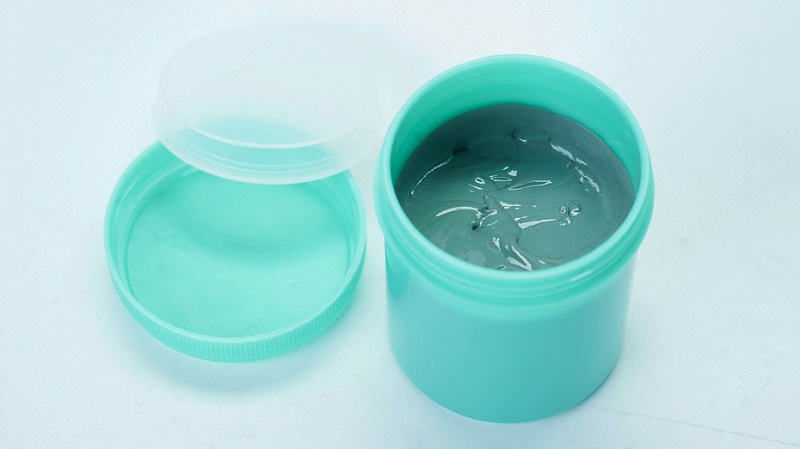
In the PCB assembly process, solder paste is one of the most essential materials. It is mainly used during the solder paste printing stage of SMT (Surface Mount Technology) assembly. Solder paste can be classified based on factors such as lead content, alloy composition, and melting point. In practical SMT manufacturing, different types of solder paste are selected according to the requirements of different PCBA products. Let’s take a closer look at the main types of solder paste available.
1. Lead-based and lead-free solder paste
In PCBA manufacturing, solder paste is generally classified into lead-based and lead-free types. Traditional lead-based solder paste typically uses a tin-lead alloy with a ratio of approximately 63:37 (Sn63/Pb37). It offers excellent solderability, a relatively low melting point, and good process stability. However, due to environmental regulations and concerns regarding lead exposure, its use has been restricted or prohibited in many applications.
To meet environmental protection requirements, lead-free solder paste has been widely adopted. Lead-free solder paste is mainly composed of tin alloys combined with other metals, such as silver, copper, and bismuth. Nowadays, most SMT assembly manufacturers use lead-free solder paste for solder paste printing to meet RoHS and other environmental compliance requirements.
2. Low-temperature, medium-temperature, and high-temperature solder paste
Based on melting point, solder paste can be classified into low-temperature, medium-temperature, and high-temperature types. Low-temperature solder paste generally has a melting point of around 138℃, medium-temperature solder paste is around 172℃, and high-temperature solder paste is typically above 220℃.
The melting point of solder paste depends on the composition of the solder alloy. For example, high-temperature solder paste usually contains alloy materials with higher melting points, such as silver-based or other high-temperature-resistant alloys. The selection of solder paste depends on the temperature resistance of electronic components, PCB materials, and specific assembly requirements.
Low-temperature or medium-temperature solder paste is commonly used for temperature-sensitive components, while high-temperature solder paste is suitable for applications requiring higher thermal resistance and reliability. Different solder pastes also have different characteristics. For example, medium-temperature solder paste generally provides good printing performance and process stability, while high-temperature solder paste offers higher thermal resistance and solder joint reliability.
One of the major advantages of SMT assembly is its ability to achieve high-quality solder joints with low defect rates. The proper selection and application of solder paste not only directly affect the solder paste printing quality but also play a critical role in improving soldering reliability and reducing soldering defects.