

What Are the Causes of Cold Solder Joints?
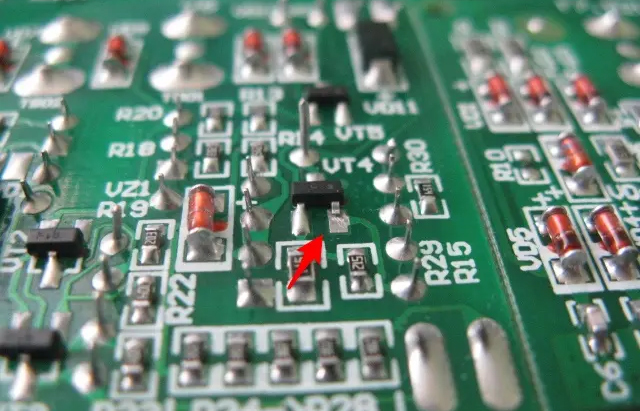
Cold solder joints are one of the common soldering defects in the PCB assembly process. They may result in unstable electrical connections, reduced mechanical strength, or even circuit board failure. Since cold solder joints can significantly affect the reliability and performance of electronic products, understanding their causes and prevention methods is essential for improving PCBA quality.
A cold solder joint occurs when the solder does not fully melt, properly wet the PCB pad and component terminal, or form a strong metallurgical bond during the soldering process. As a result, the solder joint may have insufficient strength and poor electrical reliability. Several factors can contribute to the formation of cold solder joints, which are described below.
Firstly, an incorrect soldering temperature profile is one of the main causes of cold solder joints. In SMT reflow soldering, if the peak temperature is too low or the time above the solder melting point is insufficient, the solder paste may not completely melt and flow properly, resulting in poor wetting between the solder, PCB pad, and component terminal. On the other hand, excessive soldering temperatures may cause solder oxidation, component damage, or degradation of solder joint quality.
Secondly, insufficient soldering time can also lead to cold solder joints. If the heating time is too short, the solder may not achieve complete melting and proper wetting, preventing the formation of a reliable connection. Therefore, appropriate control of heating time and temperature profile is critical during reflow soldering and wave soldering processes.
In addition to temperature and time, the quality and condition of soldering materials can also affect solder joint reliability. Poor-quality solder paste, expired materials, improper storage conditions, or insufficient flux activity may reduce solder wettability and increase the risk of cold solder joints.
Furthermore, oxidation and contamination on PCB pads or component terminals are important factors that can cause cold solder joints. Oxidized surfaces, dust, oil, or other contaminants can prevent the solder from properly bonding with the metal surfaces. Proper PCB storage, surface treatment, and cleaning processes are necessary to maintain good solderability.
To prevent cold solder joints, manufacturers should optimize soldering parameters, including temperature profile, heating time, and conveyor speed. In addition, selecting high-quality solder materials, properly storing solder paste, and maintaining clean PCB surfaces can effectively reduce soldering defects. Advanced inspection methods such as AOI (Automated Optical Inspection) and X-ray inspection can also help identify soldering issues and ensure assembly quality.
In summary, cold solder joints are a common soldering defect in PCB assembly that can negatively affect product reliability and performance. By controlling soldering processes, using qualified materials, and implementing strict quality management procedures, manufacturers can minimize soldering defects and improve the overall reliability of PCB assemblies.