

Causes and solutions of false soldering in SMT
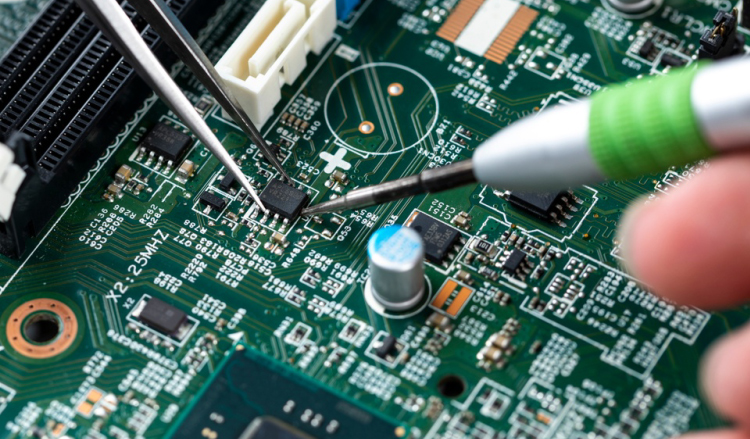
Causes of False Soldering:
False soldering occurs when the solder does not form a proper and reliable bond with the PCB pad or component terminal. The solder joint may appear to be connected on the surface, but the actual contact or metallurgical bond is incomplete. This can result in intermittent electrical connections, weak mechanical strength, or connection failure during operation. The main causes of false soldering are as follows:
1. Insufficient Solder Wetting:
Poor solder wetting is one of the main causes of false soldering. During SMT reflow soldering, the molten solder must properly wet both the PCB pad and the component terminal to form a reliable solder joint. If the solder does not spread properly across the joining surfaces, the connection may be weak or incomplete. Poor wetting can be caused by insufficient reflow temperature, an improper temperature profile, inactive flux, or oxidation on the metal surfaces.
2. Oxidation or Contamination:
Oxidation, dust, oil, and other contaminants on PCB pads or component terminals can prevent the solder from properly bonding to the metal surfaces. Improper PCB storage or handling may increase the risk of surface oxidation and contamination, resulting in poor solderability and unreliable solder joints.
3. Insufficient or Excessive Solder Paste:
The amount of solder paste applied during stencil printing directly affects solder joint formation. If insufficient solder paste is deposited, the resulting solder joint may not provide adequate contact area or mechanical strength. Excessive solder paste, on the other hand, may cause solder bridges or other soldering defects. Proper stencil design and accurate solder paste printing are therefore essential.
4. Improper Reflow Temperature Profile:
An incorrect reflow temperature profile can prevent the solder paste from melting and wetting the joining surfaces properly. If the peak temperature is too low or the time above liquidus is insufficient, the solder may not fully melt and form a reliable metallurgical bond. Excessive temperatures, however, may cause component damage, excessive oxidation, or other soldering problems.
5. Poor Component or PCB Solderability:
The surface finish of PCB pads and the condition of component terminals can significantly affect solderability. Poor-quality surface finishes, oxidized component leads, or incompatible materials may prevent proper solder bonding and increase the risk of false soldering.
Solutions to False Soldering:
To reduce the occurrence of false soldering and improve SMT assembly reliability, manufacturers can take the following measures:
1. Optimize the Reflow Temperature Profile:
The reflow temperature profile should be adjusted according to the solder paste specifications, PCB design, and component requirements. Proper control of preheating, soaking, peak temperature, time above liquidus, and cooling rate helps ensure complete solder melting and proper wetting.
2. Ensure Proper Solder Paste Printing:
The solder paste volume, thickness, and printing position should be properly controlled. Appropriate stencil design, regular stencil maintenance, and stable printing parameters can help ensure that sufficient and consistent solder paste is deposited on each PCB pad.
3. Maintain Clean and Solderable Surfaces:
PCBs and components should be properly stored and handled to prevent oxidation and contamination. PCB pads and component terminals should remain clean and solderable before the soldering process.
4. Use Appropriate Solder Materials:
The solder paste should be selected according to the PCB surface finish, component requirements, reflow process, and application environment. Proper solder paste storage and handling are also important for maintaining flux activity and consistent soldering performance.
5. Maintain and Calibrate SMT Equipment:
Reflow ovens, solder paste printers, and other SMT equipment should be regularly maintained and calibrated. Temperature profiles should be verified periodically to ensure that the actual process conditions remain within the specified range.
In summary, false soldering in SMT assembly is mainly associated with poor solder wetting, oxidation or contamination, improper solder paste deposition, incorrect reflow conditions, and poor solderability of PCB or component surfaces. By controlling solder paste printing, optimizing the reflow process, maintaining clean surfaces, selecting appropriate materials, and properly maintaining production equipment, manufacturers can effectively reduce false soldering and improve the reliability of PCB assemblies.