

What are the reasons for the oxidation of PCB pads?
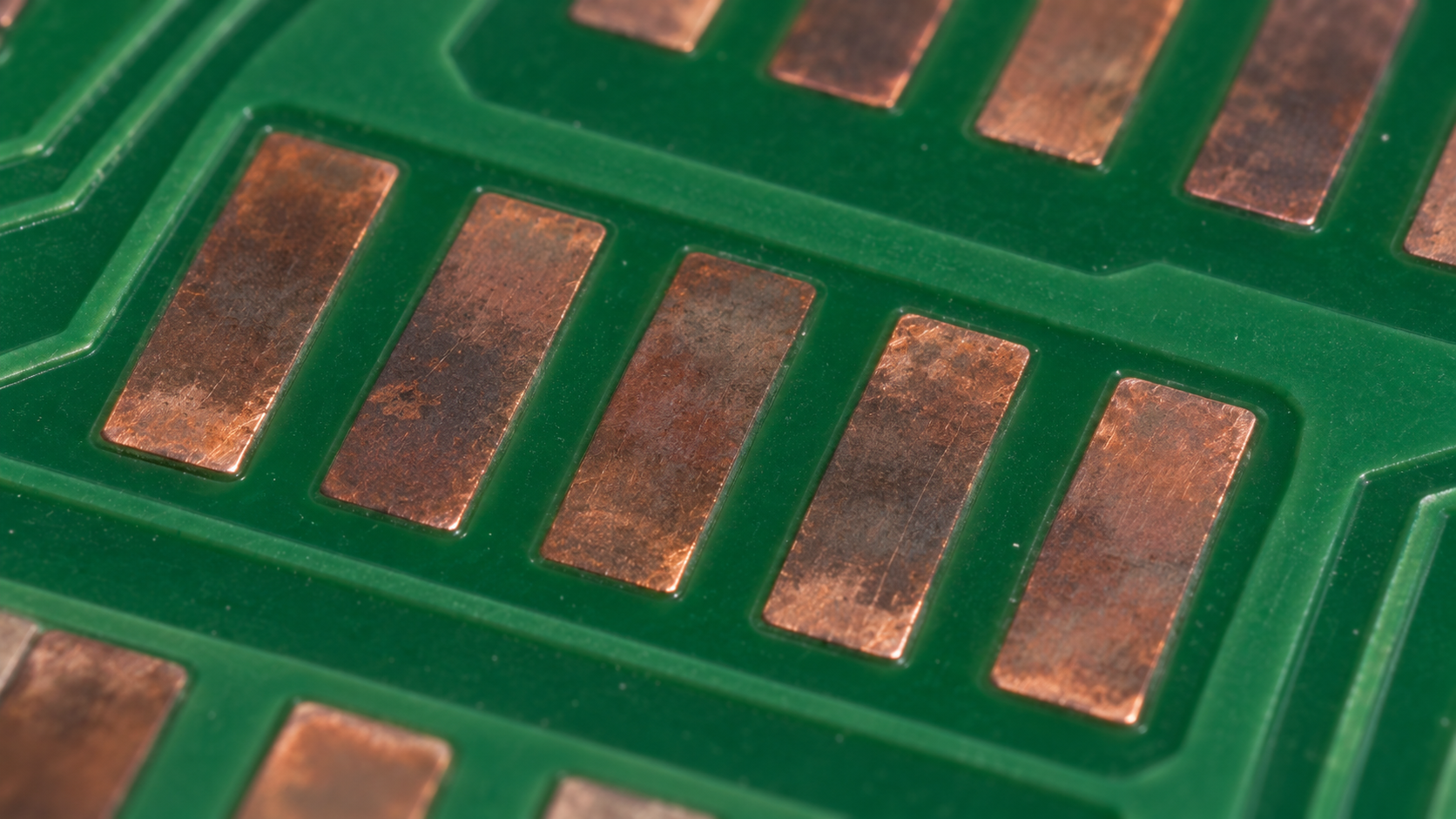
PCB Pad Oxidation: Causes, Prevention, and Troubleshooting
PCB pad oxidation can reduce solderability, preventing molten solder from wetting the pad and forming a reliable connection. It may develop during storage, handling, or thermal processing when the solderable surface is insufficiently protected.
Preventing oxidation requires appropriate surface finishes, controlled storage, careful handling, and a validated soldering process. However, poor wetting does not always indicate oxidation. Contamination, insufficient heating, and incompatible soldering materials can produce similar symptoms.
What Is PCB Pad Oxidation?
PCB pad oxidation occurs when metal at the solderable surface reacts with oxygen to form metal oxides. These oxides can interfere with solder wetting—the ability of molten solder to spread across and bond with the surface.
Most production PCBs have a surface finish that protects the copper pads and preserves solderability before assembly. Common finishes include:
Hot air solder leveling (HASL).
Electroless nickel immersion gold (ENIG).
Immersion tin.
Immersion silver.
Organic solderability preservative (OSP).
These finishes protect the copper in different ways. OSP provides an organic protective coating, while metallic finishes create a solderable surface over the copper. Consequently, a wetting problem on one finish may have a different cause from a similar-looking problem on another.
The finish and its condition should therefore be identified before attributing a defect to pad oxidation.
What Causes PCB Pad Oxidation?
Inadequate or Damaged Surface Protection
Incomplete coverage, scratches, or deterioration of the surface finish can compromise its ability to protect the underlying metal.
The original cause is not necessarily poor laminate quality. The laminate provides structural support and electrical insulation, while the surface finish protects the solderable areas. For pad oxidation, the condition of that surface protection is the more direct concern.
Prolonged Storage and Environmental Exposure
Storage duration, temperature, humidity, and packaging condition influence how well a PCB retains its solderability. Extended exposure after unpacking gives moisture and contaminants more opportunity to reach the surface.
There is no universal shelf life for every PCB. Storage limits depend on the finish, packaging, supplier specifications, and actual environmental conditions.
Moisture absorbed by the laminate is a separate concern. It can contribute to damage during heating, including delamination, but it should not automatically be treated as evidence of pad oxidation.
Contamination During Handling
Fingerprints, oils, and processing residues can interfere with solder wetting. Contamination may coexist with oxidation, but the two are not interchangeable.
A pad that rejects solder may be contaminated, insufficiently heated, or otherwise difficult to solder. Visual appearance alone cannot establish the cause. Keeping pads clean both reduces defects and makes troubleshooting more reliable.
Excessive Thermal Exposure
Heating in air can promote oxidation. Unnecessary baking, repeated soldering cycles, or prolonged rework may also affect the surface finish and reduce solderability.
Baking requires particular care. It removes absorbed moisture; it does not remove metal oxides. Depending on the finish and baking conditions, it can contribute to oxidation, coating degradation, or other changes that impair solderability.
Use a supplier-approved drying procedure when drying is necessary. Do not treat baking as a general repair method for aged or discolored pads.
How Does Pad Oxidation Affect PCB Assembly?
Oxides can prevent solder from spreading properly across a pad. This may lead to incomplete wetting and poorly formed connections.
However, these symptoms are not unique to oxidation. Surface contamination and insufficient heat can also prevent a sound joint from forming. Changing the reflow profile or adding flux without checking the underlying cause may leave the actual problem unresolved.
For PCB assembly, the practical question is whether the board’s solderable surfaces remain compatible with the intended materials and process—not simply whether the pads look bright or clean.
How to Prevent PCB Pad Oxidation
Select a Suitable Surface Finish
Choose the finish with the PCB manufacturer and assembly provider. Consider the intended storage period, component requirements, assembly sequence, and expected thermal exposure.
Document the finish in the fabrication requirements and agree on packaging, storage, and solderability acceptance criteria. An appropriate finish supports reliable assembly, but it does not eliminate the need for careful handling.
Control Storage and Handling
Keep boards in their protective packaging until they are needed. Follow the supplier’s requirements for temperature, humidity, shelf life, and exposure after opening.
Useful production controls include:
Recording manufacturing dates, receipt dates, and lot numbers.
Tracking when packages are opened.
Using older acceptable stock before newer stock.
Checking packaging for damage before releasing boards.
Handling boards by their edges and avoiding contact with pads.
Resealing unused boards using the approved packaging method.
Where specified, use desiccants and humidity indicators as part of the packaging system. They support moisture control but do not guarantee indefinite solderability.
Validate the SMT Reflow Profile
For surface mount technology (SMT) assembly, establish a reflow profile compatible with the solder paste, PCB, and components. Measure the actual thermal profile on a representative assembly rather than relying only on oven setpoints.
The objective is a suitable process window, not the lowest possible soldering temperature. Insufficient heating can prevent wetting, while excessive thermal exposure can damage materials or compromise process performance.
Nitrogen can reduce oxidation during soldering where the process benefits justify its use. It does not replace appropriate surface preparation, compatible materials, or thermal control.
Use Compatible Solder Paste and Flux
Soldering flux helps remove surface oxides and supports wetting. In SMT assembly, solder paste already contains flux, so additional flux should only be introduced through a validated process.
Select soldering materials that are compatible with the board finish, component terminations, and solder alloy. Flux chemistry that performs well on one surface may not perform equally well on another.
Follow the applicable technical data sheets for processing and residue management. More active flux is not automatically the best option, and cleaning requirements must be considered before changing materials.
How to Troubleshoot Suspected Pad Oxidation
Hold the affected boards for evaluation before committing the full lot to assembly. Avoid immediately increasing temperature or adding more flux.
1. Review the Board History
Confirm the surface finish, board age, packaging condition, and storage history. Check whether the boards have undergone baking, previous soldering cycles, cleaning, or rework.
2. Inspect the Affected Areas
Look for discoloration, residues, scratches, and inconsistent surface coverage. Compare affected pads with unaffected areas and, where available, a known-good board.
Use visual inspection to guide the investigation, not as the sole proof of oxidation.
3. Check Materials and Process Conditions
Review solder paste storage and usage records, flux compatibility, and the measured thermal profile. Determine whether the problem is limited to a PCB lot, component type, or specific board location.
This helps distinguish a board-surface problem from a material or heating issue.
4. Verify Solderability
Work with the PCB supplier or a qualified laboratory to select an appropriate solderability test and acceptance criteria.
A controlled evaluation provides a stronger basis for disposition than repeatedly attempting to hand-solder a suspect pad.
5. Agree on Corrective Action
Depending on the findings, the boards may require an approved cleaning process, supplier refinishing, or replacement.
Avoid uncontrolled abrasion or aggressive chemical treatment. These methods can remove protective finishes or damage pads, even if the surface initially appears cleaner.
Can Oxidized PCB Pads Be Restored?
Limited surface oxidation may be manageable with suitable flux within a validated soldering process. More severe oxidation, corrosion, or finish damage may require supplier intervention or board replacement.
The decision should depend on verified solderability and product requirements. Making solder adhere during a manual trial is not sufficient evidence that an entire lot is suitable for production.
Coordinating PCB Manufacturing and Assembly
Preventing pad oxidation begins before the board reaches the assembly line. Surface finish selection, packaging, storage, and soldering requirements should be coordinated across fabrication and assembly.
LJPCB provides PCB manufacturing and PCBA services, including SMT assembly. When requesting a quotation, include the required surface finish, expected storage period, and assembly requirements so these factors can be considered together.