

Causes and Improvement Methods of Insufficient Solder in SMT Solder Paste Printing
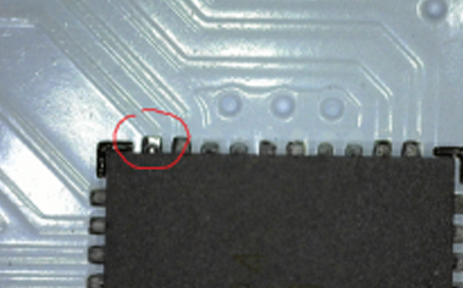
In the PCBA manufacturing process, SMT solder paste printing is one of the most important steps that directly affects soldering quality. It is also a process where various defects can easily occur. Common solder paste printing defects include solder bridging, insufficient solder, solder paste offset, and uneven printing. Each defect has different causes and requires different improvement methods.
Today, we will focus on the causes of insufficient solder in SMT solder paste printing and the corresponding solutions.
Insufficient solder, as the name suggests, refers to an inadequate amount of solder paste applied on the PCB pads. It is a common SMT printing defect. When the solder volume is insufficient, it may prevent the formation of proper solder joints during the reflow soldering process, resulting in problems such as cold solder joints, weak solder strength, and exposed copper on the pads.
In actual PCBA production, insufficient solder is mainly related to factors such as the stencil, solder paste condition, and printing parameters.
First, stencil-related factors are one of the major causes of insufficient solder. Improper stencil quality or aperture design can affect solder paste transfer. For example, if the stencil apertures are too small or the aperture ratio is insufficient, the solder paste release performance will be reduced, preventing enough solder paste from transferring onto the PCB pads and causing insufficient solder volume.
In addition, during continuous production, if the stencil is not cleaned in time or the cleaning interval is too long, residual solder paste may accumulate and block the stencil apertures. This will affect normal solder paste printing and result in insufficient solder deposition on the pads.
To prevent stencil-related insufficient solder issues, manufacturers should select appropriate stencil aperture designs based on component packages and PCB pad layouts, while strictly controlling stencil manufacturing accuracy. During production, the stencil should also be cleaned regularly according to process requirements to prevent aperture blockage from affecting printing quality.
Secondly, abnormal solder paste conditions are another important factor that can cause insufficient solder. If the solder paste has abnormal viscosity, excessive flux evaporation, or reduced printing performance, it may affect the filling of stencil apertures and the release of solder paste from the stencil, resulting in insufficient solder volume.
Common causes of solder paste problems include improper storage conditions, expired solder paste, excessive exposure to air after opening, insufficient warming time before use, and inadequate mixing.
The improvement methods include following proper solder paste storage requirements, controlling the shelf life and usage time, allowing sufficient thawing and mixing before production, and selecting suitable solder paste types according to product requirements to ensure good printing performance.
In addition to the above two main factors, SMT insufficient solder can also be affected by printing equipment parameters and PCB quality.
For example:
Improper squeegee pressure settings; Excessive printing speed causing insufficient solder paste filling;
Poor contact between the stencil and PCB;
Insufficient flatness of the stencil or squeegee;
PCB pad oxidation or contamination.
These factors can affect solder paste transfer performance and eventually lead to insufficient solder defects.
Therefore, during PCBA manufacturing, manufacturers should use methods such as SPI (Solder Paste Inspection), first article inspection, and process monitoring to effectively control solder paste thickness and printing quality. By identifying the root causes of defects and implementing appropriate corrective actions, manufacturers can reduce SMT printing defects and improve soldering reliability.