

What Inspection Equipment Is Used in the PCBA Manufacturing Process?
SMT (Surface Mount Technology) is one of the most important processes in modern PCB assembly manufacturing, directly affecting the quality, reliability, and performance of electronic products.During SMT assembly, thousands of components are precisely mounted onto PCB boards through solder paste printing, component placement, and reflow soldering processes. To ensure stable production quality and reduce defects, advanced inspection equipment is widely used throughout the SMT manufacturing process.This article introduces the key inspection equipment commonly used in SMT PCB assembly, including First Article Inspection Machines, SPI, AOI, and X-Ray Inspection Systems.
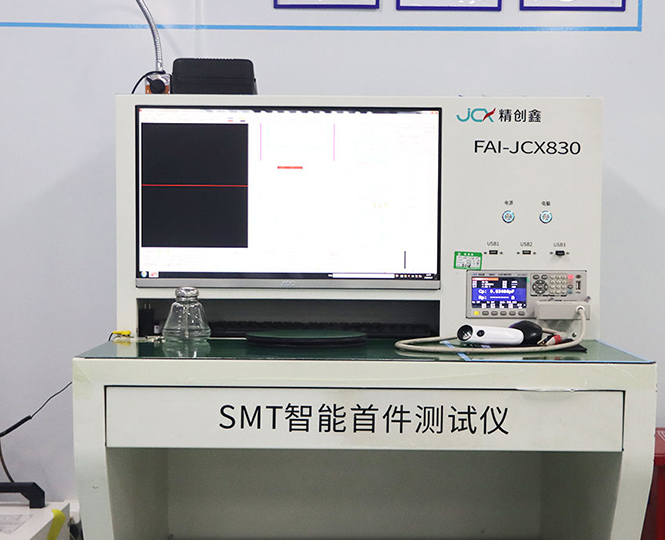
1. First Article Inspection Machine
First Article Inspection (FAI) is an important quality control process at the beginning of SMT production.
Before mass production starts, the first assembled PCB is carefully inspected to verify whether the components, placement positions, polarity, and soldering results meet the engineering requirements.
A first article inspection machine can automatically compare the assembled PCB with the original design data, such as:
· Component type and quantity
· Component placement position
· Component polarity direction
· PCB layout accuracy
· Soldering condition
By performing first article inspection before mass production, manufacturers can quickly identify potential issues in the SMT process and prevent large-scale production defects.
It helps ensure that the SMT production line is correctly set up and improves manufacturing efficiency and product consistency.
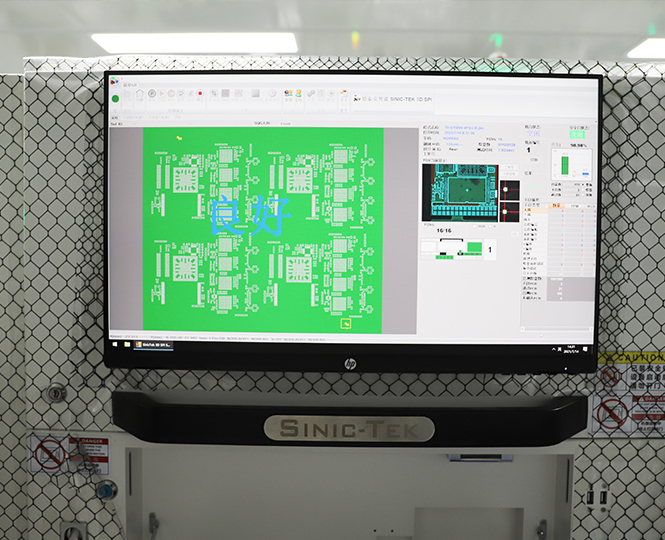
2. SPI (Solder Paste Inspection)
SPI (Solder Paste Inspection) is the first major inspection process after solder paste printing in SMT assembly.
The quality of solder paste printing directly affects the final soldering performance. SPI equipment uses high-precision 3D measurement technology to inspect the printed solder paste on PCB pads.
SPI can detect:
· Solder paste volume
· Solder paste height
· Printing position deviation
· Insufficient solder paste
· Excess solder paste
· Uneven solder paste distribution
By detecting solder paste problems before component placement, SPI can effectively prevent common SMT defects such as:
· Solder bridging
· Insufficient solder joints
· Component tombstoning
· Poor solder connections
SPI plays an important role in improving SMT process stability and reducing manufacturing costs.
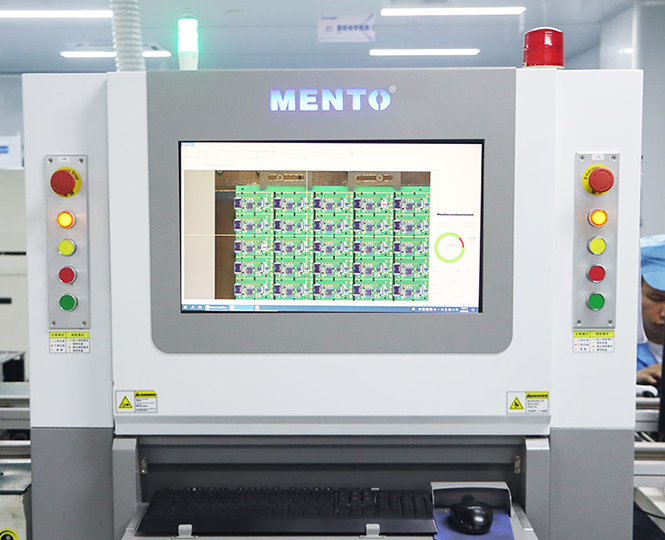
3. AOI (Automated Optical Inspection)
AOI (Automated Optical Inspection) is one of the most widely used inspection systems in SMT production.
After component placement and reflow soldering, AOI uses high-resolution cameras and image processing technology to automatically inspect the appearance of assembled PCBs.
AOI can identify various visible defects, including:
· Missing components
· Incorrect component placement
· Component offset
· Wrong component polarity
· Solder bridging
· Soldering appearance defects
Compared with manual inspection, AOI provides faster inspection speed, higher accuracy, and better consistency, significantly improving SMT production efficiency.
However, AOI mainly focuses on surface-level defects and cannot inspect hidden solder joints inside packages such as BGA and QFN. Therefore, it is often combined with X-Ray inspection to achieve more comprehensive quality control.
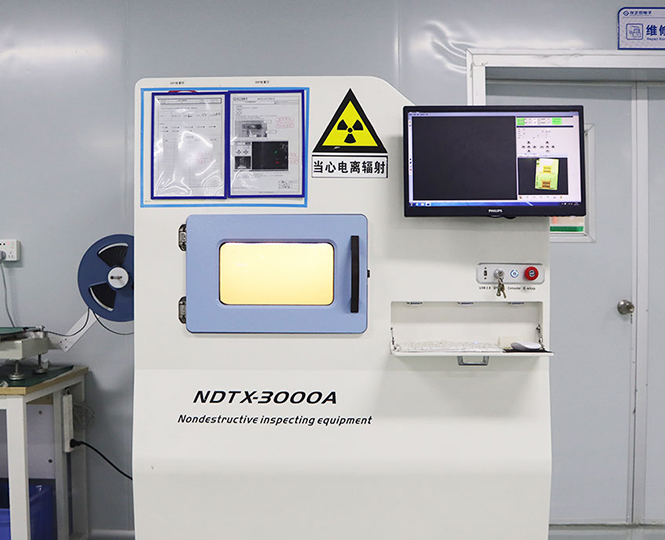
X-Ray inspection is an advanced inspection method used to detect hidden defects that cannot be identified through traditional optical inspection.
During SMT assembly, some components such as BGA, QFN, and CSP packages have solder joints hidden underneath the components. X-Ray inspection can penetrate the PCB and clearly analyze the internal soldering quality.
X-Ray inspection can detect:
· Hidden solder joint defects
· Solder voids
· Insufficient solder
· Excess solder
· BGA soldering quality
· Component connection issues
X-Ray inspection is especially important for high-density PCB assemblies and products requiring high reliability, such as automotive electronics, medical equipment, industrial control systems, and communication devices.
In addition to SMT inspection equipment, PCB assembly manufacturers usually perform further testing after assembly to verify the electrical performance and functional reliability of PCBA products. Common testing methods include:
· ICT (In-Circuit Test): Checks electrical parameters and circuit connections.
· FCT (Functional Circuit Test): Verifies whether the assembled PCB functions according to product requirements.
· Aging and Environmental Testing: Evaluates product reliability under different operating conditions.
These testing processes work together with SMT inspection equipment to ensure complete quality control throughout PCB assembly manufacturing.